Appearance
Local-First Architecture: Practical Implementation Guide
This is a practical, implementation-first guide to build a production-ready local-first expense tracker in Flutter.
The architecture and workflow in this guide are inspired by your Linkbox implementation style:
- lifecycle-aware background sync service
- local-first reads with Isar as source of truth
- Riverpod providers orchestrating sync and UI state
- delta sync strategy to reduce remote reads
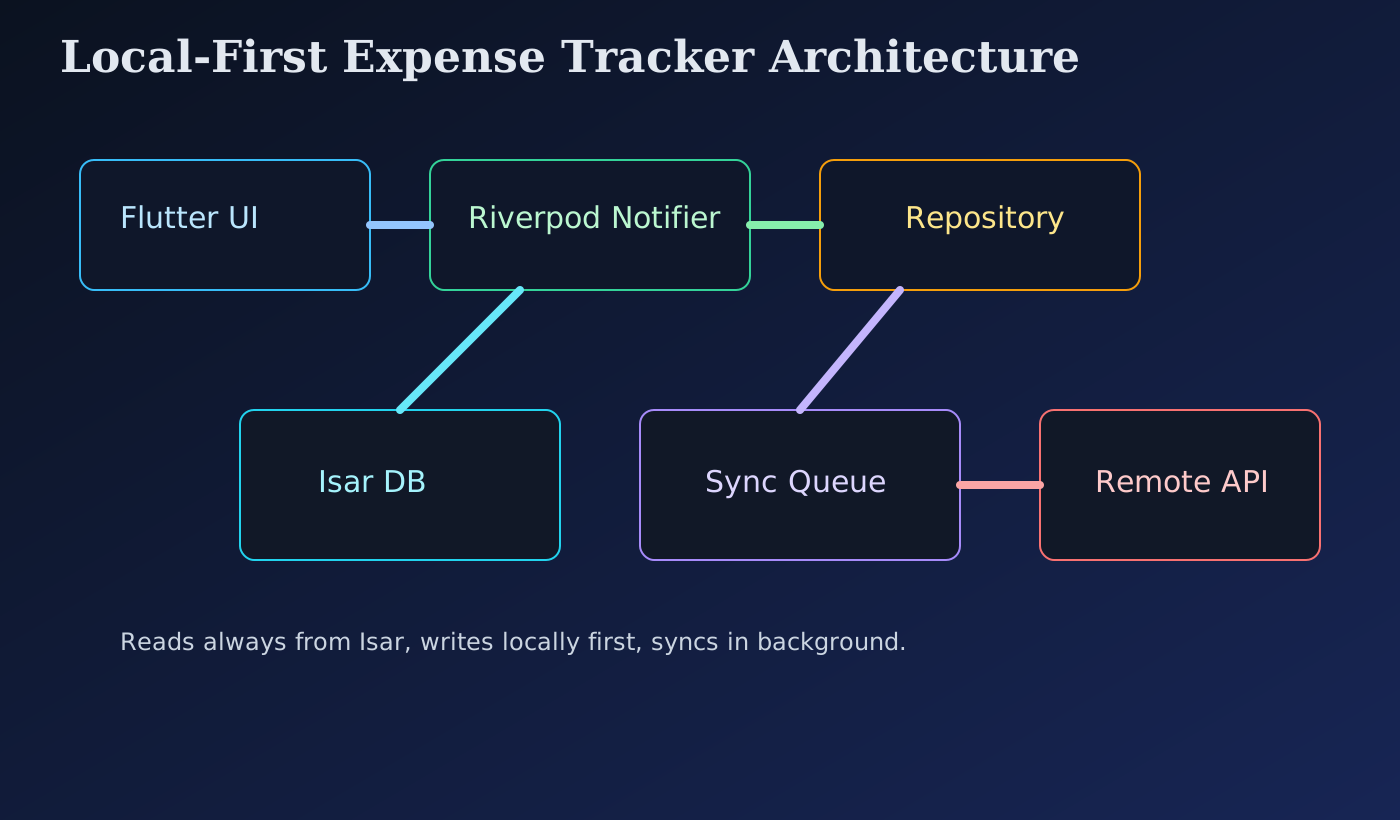
What You Will Build
By the end of this guide, you will have an expense tracker with:
- instant local reads and optimistic writes
- cursor pagination for long expense histories
- online and offline-aware background sync
- Riverpod state management with deterministic flows
- production TODO checklist for launch hardening
Why This Approach Works
Most apps delay UI until the network responds. In production, that hurts UX.
Local-first flips the model:
- Write to local DB immediately.
- Render from local DB streams.
- Sync in the background.
- Resolve conflicts deterministically.
This gives users a fast and stable experience even during poor connectivity.
Implementation Path (Course Style)
Follow these linked pages in order. Each page ends with next/previous navigation.
- Part 1: Packages and Setup
- Part 2: Folder Structure and Models
- Part 3: Isar Repository and Pagination
- Part 4: Riverpod State Management
- Part 5: Background Sync Service
- Part 6: Integration and Production TODO
Real-World Reference from Your Linkbox Patterns
These guide decisions are aligned with your existing implementation patterns:
BackgroundSyncService: periodic sync + lifecycle hooks (resume,pause,detach)SyncService.smartSync: first full sync, then delta sync- Riverpod provider graph that orchestrates network and sync state
- Isar bootstrap with robust startup and recovery pattern
Quick Preview Snippet
dart
Future<void> createExpense(ExpenseInput input) async {
  final draft = ExpenseLocal.create(
    id: const Uuid().v4(),
    userId: input.userId,
    spentAt: input.spentAt,
    category: input.category,
    amount: input.amount,
    note: input.note,
  )
    ..isSynced = false
    ..updatedAt = DateTime.now().toUtc();

  await expenseRepository.upsertExpense(draft);
  await syncQueue.enqueueUpsert(draft);
}
The pattern above is the core of local-first UX: local commit first, remote consistency later.